A company that loses public confidence has a marketing problem. An agency that loses it has a bigger one, because its authority runs on consent.
The tools are narrower too. You cannot spend your way out of it. You cannot decline to engage. Everything is discoverable. And the people in the room have standing whether or not you prepared for them.
How I start
Listening comes before messaging. Before I write a word of public-facing content I want to hear the concerns the agency already knows by name. Staff usually know exactly where the trouble is. Nobody has asked them in a while.
Then I want time inside the agency. How the programs actually run, who does what, what the field crews are dealing with. The work has to fit the reality instead of my assumptions about it.
The agency is the guide
The community is the hero of its own story. The agency’s job is to be the guide people trust on the subject: credible, clear, consistent. Agencies get into trouble when they cast themselves as the main character.
And consistency beats intensity. One big event does not build trust. Repeatable tools do. I build things a team can run again next quarter without hiring a communications director. A newsletter template is worth more than a newsletter.
Where I help
- A communications strategy everything else is built on. Objectives, audiences, message architecture, engagement pathways, and a risk lens
- Issues and risk assessment. Reputational, regulatory, environmental and social, with what to do about each one
- Key message frameworks for the issues that are live right now and the milestones you know are coming
- A Q&A and briefing book. The questions media, the community and elected officials are going to ask, with answers your spokespeople can actually say out loud
- Community engagement plans. Meetings, listening sessions, advisory boards, and the feedback loop that makes people believe the listening was real
- Indigenous engagement materials, built in alignment with the partners’ own preferences
- Newsletters, press releases, testimony preparation and spokesperson support
- Public meeting and hearing facilitation
- Delivering a decision a lot of people will dislike, honestly and without spin, in a way that leaves the relationship intact for the next one
A word about budget
The request is almost always bigger than the money. I would rather fund the foundation properly than spread a budget thin across everything on the list. A strategy and a message framework make every piece that comes after faster and cheaper to produce. Websites, social calendars, crisis kits and spokesperson training can wait for the next phase.
People remember how they were treated. They forget the presentation.
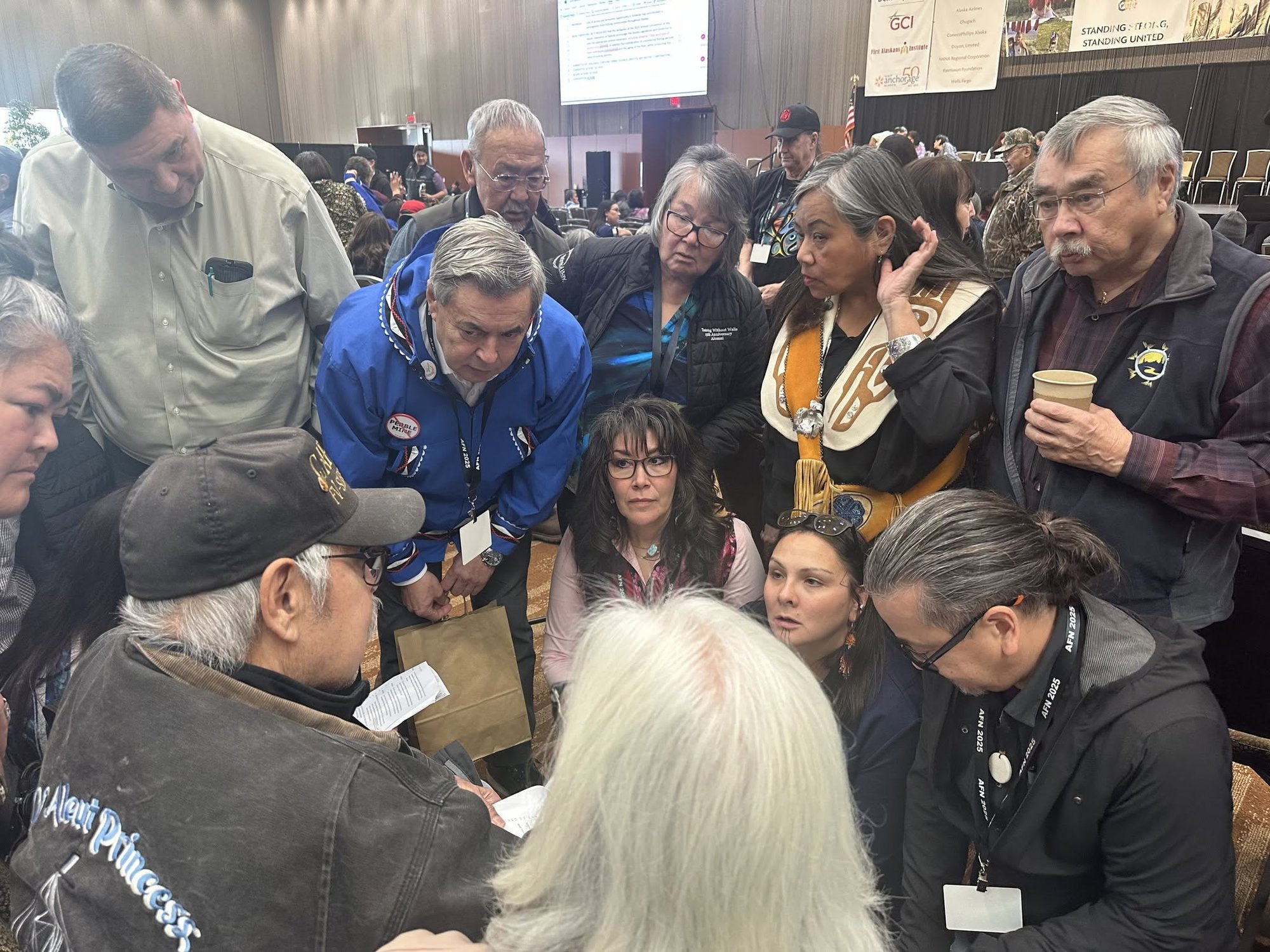
A note on tribal consultation
Agencies working with tribal governments find out that meeting the consultation requirement and actually consulting are two different things. The community can tell which one is happening, usually inside the first ten minutes.
Build it with the partners. Relationship first, their preferences, their pace. Consultation bolted onto a plan that is already finished reads exactly like what it is.
I sit on both sides of that table, which is unusual, and I say the same thing on each.
Tell me what you’re working on.
I would love to help you out, even if you don’t retain our services. Just call, email or text.