Fishing
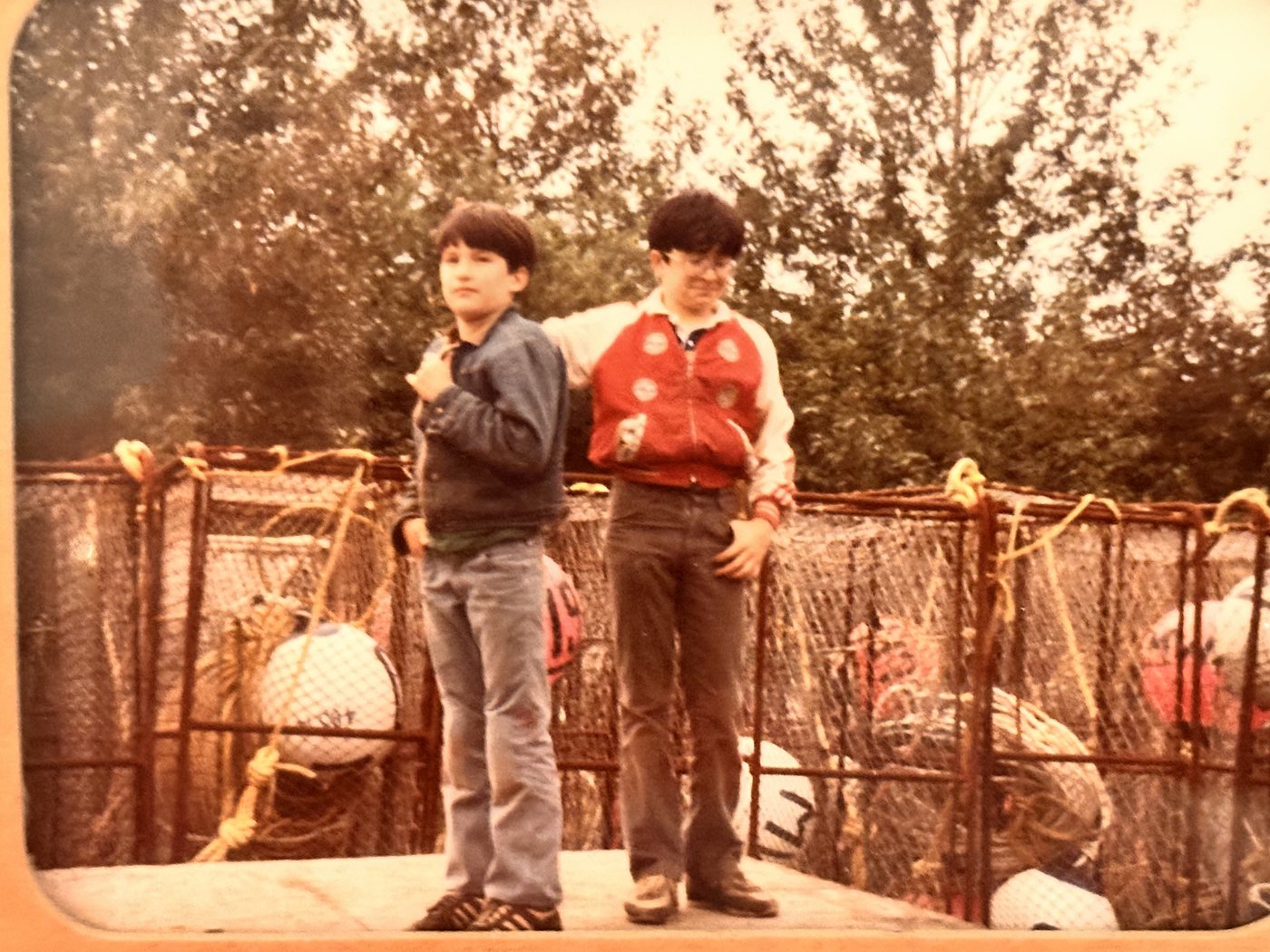
I was born in Alaska and spent my early childhood in Yakutat, where both my parents grew up. The family later moved to Kodiak, where I finished high school. Summers were spent commercial fishing. Before I could contribute very much in actual work, from age 8-11 would spend the summers camped on the banks of the Alsek and East rivers outside of Yakutat with my Aunt, Uncle and cousins. As I got older, I started as a deckhand on the family fishing boats, FV Predator, FV Milky Way, FV Lady Helen and then finally, our last boat, the F/V Cornelia Marie. The Name carries youd after my mother, the CM went on to gain popularity on the Discovery Channel television show, “Deadliest Catch”.
Commercial fishing teaches you many lessons. Hard work, self-reliance, accountability, resourcefulness, camaraderie, and risk awareness. However, that last one is complicated… Fishermen have an interesting relationship with risk. On one hand, fishermen don’t take chances when a mistake can cost a life. But, they are also “gamblers”, betting you on themselves, that with hard work and determination, they can manifest success.
News
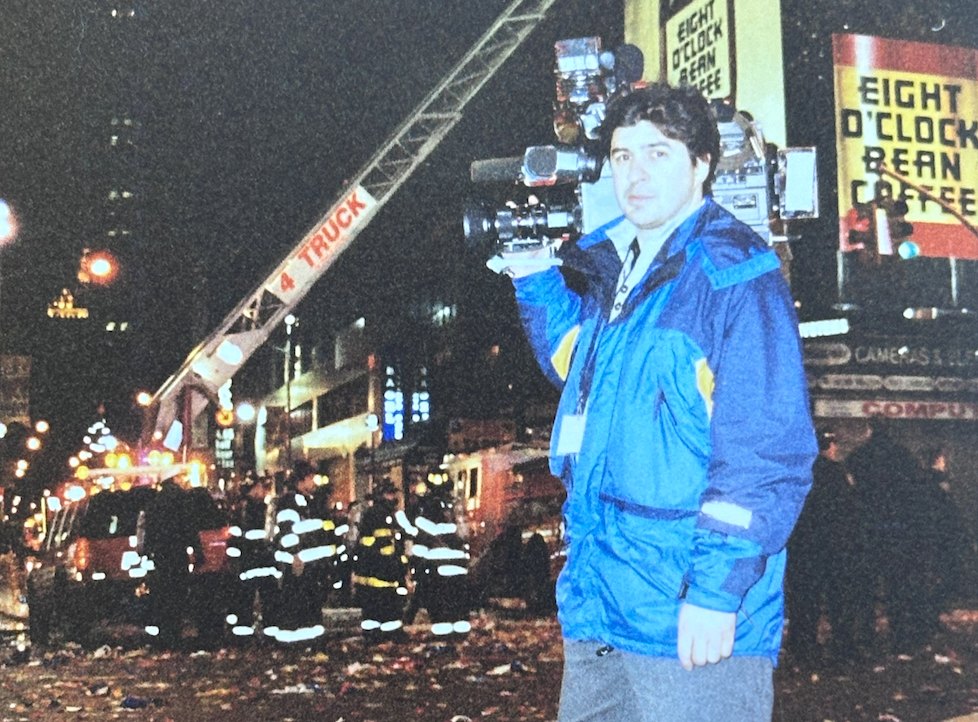
The day after college graduation, I started full time as a television news videographer and editor at KNAZ in Flagstaff, AZ. I then moved to KSBW in Salinas, (a short stint at ) KVEA in Los Angeles then five years at WNYW in New York. Every day was brand new in NYC – I never knew where I would go, who I would meet and what I would witness.
Broadcast news with its hard and fast deadlines teaches you to identify stories quickly. As events unfold in real time, you need to decide quickly what matters most. Your instincts to find the human emotional core in any scenario get sharpened. I’m grateful for the experience, it was like a bootcamp for storytelling where I got in thousands of reps.
Film
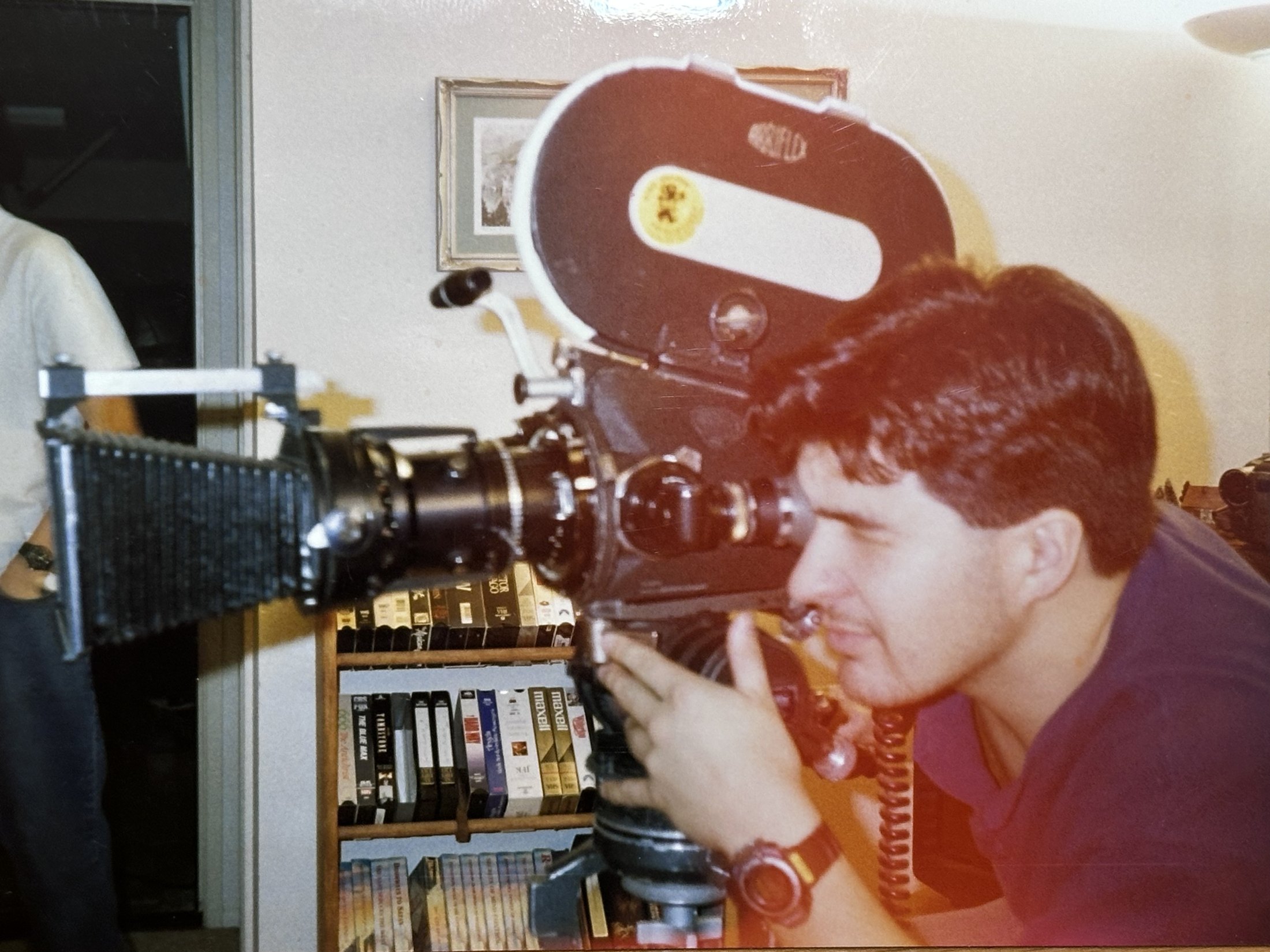
Then film and video in Los Angeles: grip, gaffer, best boy, electrician, camera operator, director of photography, production manager. Music videos, features, documentaries, commercials, junkets, corporate work. A long apprenticeship in support of stories.
Film taught me that storytelling is collaborative. A single vision can be shared and built by a team and most often, this is the only way it will be successful. The production work teaches you about constraints: time, money, weather, personalities, equipment, locations – storytelling is also problem solving.
The production company
In 1995, I worked on a film for Goldbelt, Inc. and started a production company on the back of it. Over the next two decades, we made dozens of videos for clients ranging from national networks to village nonprofits, and won a number of awards.
As one production led to the next, we went deeper into Alaska Native storytelling. Clients asked us to deliver more than just visual productions and soon video was only one aspect of our full communication services.
Morgan Howard Productions became Morgan Howard Communications.
Governance
I was asked to run for my village corporation board, Yak-tat Kwaan, based in Yakutat, Alaska. So, I put my name on the ballot, and lost. I tried again the next year and subsequently served three, 3-year terms, including Board Chair. Then, nine years on Central Council Tlingit and Haida’s Tribal business corporation and nine years on the board of Sealaska. (Nine years is a good number)
Sitting on a board is a completely different education from advising one. You are accountable for the decision. You have to face shareholders at the community meeting and your family at the next gathering. You learn very quickly which communications advice is really useful and which is you just trying to sound smart.
Advisory
Which brings me here. The practice today is strategic communications, community relations, Indigenous engagement and storytelling, and every part of the windy road above informs it.
The throughline for us all is narrative. If we don’t have it, we’ll search until we find it.
What it adds up to is the ability to work comfortably between community and corporation, tradition and innovation, storytelling and strategy, governance and grassroots engagement, Indigenous values and modern organizational leadership.
Those are worlds that frequently struggle to communicate with each other… connecting them is my favorite part of the job.
Tell me what you’re working on.
I would love to help you out, even if you don’t retain our services. Just call, email or text.