They may be Alaska state-chartered corporations, but they are unlike any other American group of businesses. Benefit or B corporations embody many of the same priorities as ANCs but still don’t capture them adequately. Maybe ANCs can be described as N corporations, as in Native.
An ordinary American corporation only came into existence because they came up with a product or service that provided value in the marketplace. ANCs were created through legislation and then were told to go out and find a business.
Many believed that ANCs were set-up to fail. Authors of the legislation admit that assimilation was a goal.
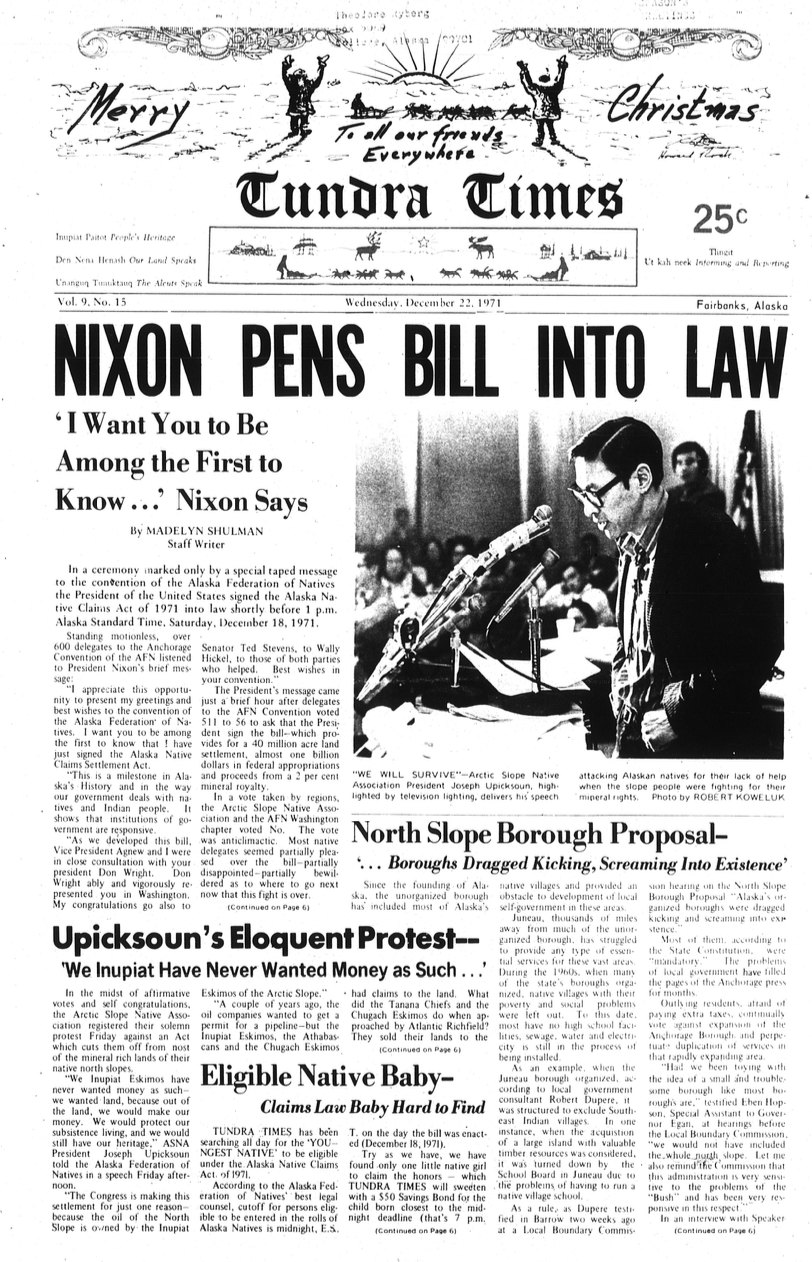
I am Tlingit, Teikweidí, born and raised in Alaska, a Sealaska, Yak-tat Kwaan and Goldbelt shareholder, and I have served on several boards. I have spent thirty years communicating for Alaska Native corporations, tribal governments and Native entities, and I know that world intimately.
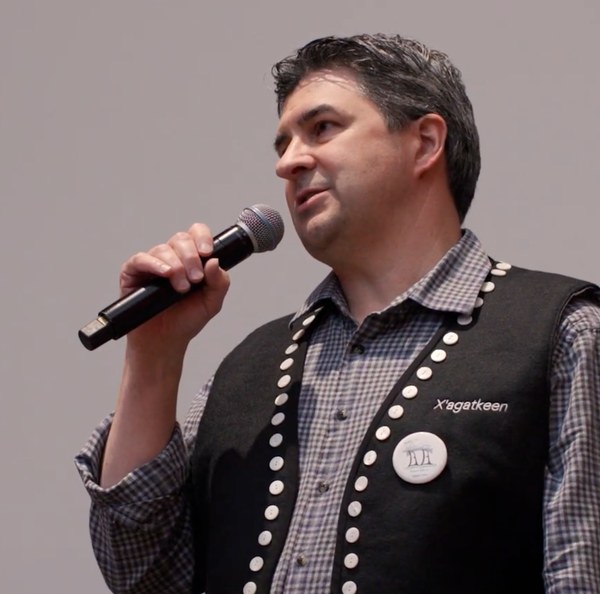
I bring an understanding grounded in my experience and identity.
- The difference between “Native Alaskan” and “Alaskan Native”.
- Why it is inaccurate to write that ANCSA gave land to Alaska’s Indigenous people.
- Why “tribal citizen” is better than “tribal member”.
- This history of ANCSA and why it matters today.
- Why the other two group of shareholders are just as important as the current shareholders.
- Why every ANC does not place ANCSA land on their balance sheet.
- Why “way of life” is better than “Subsistence”.
- The difference between consulting a community and informing it.
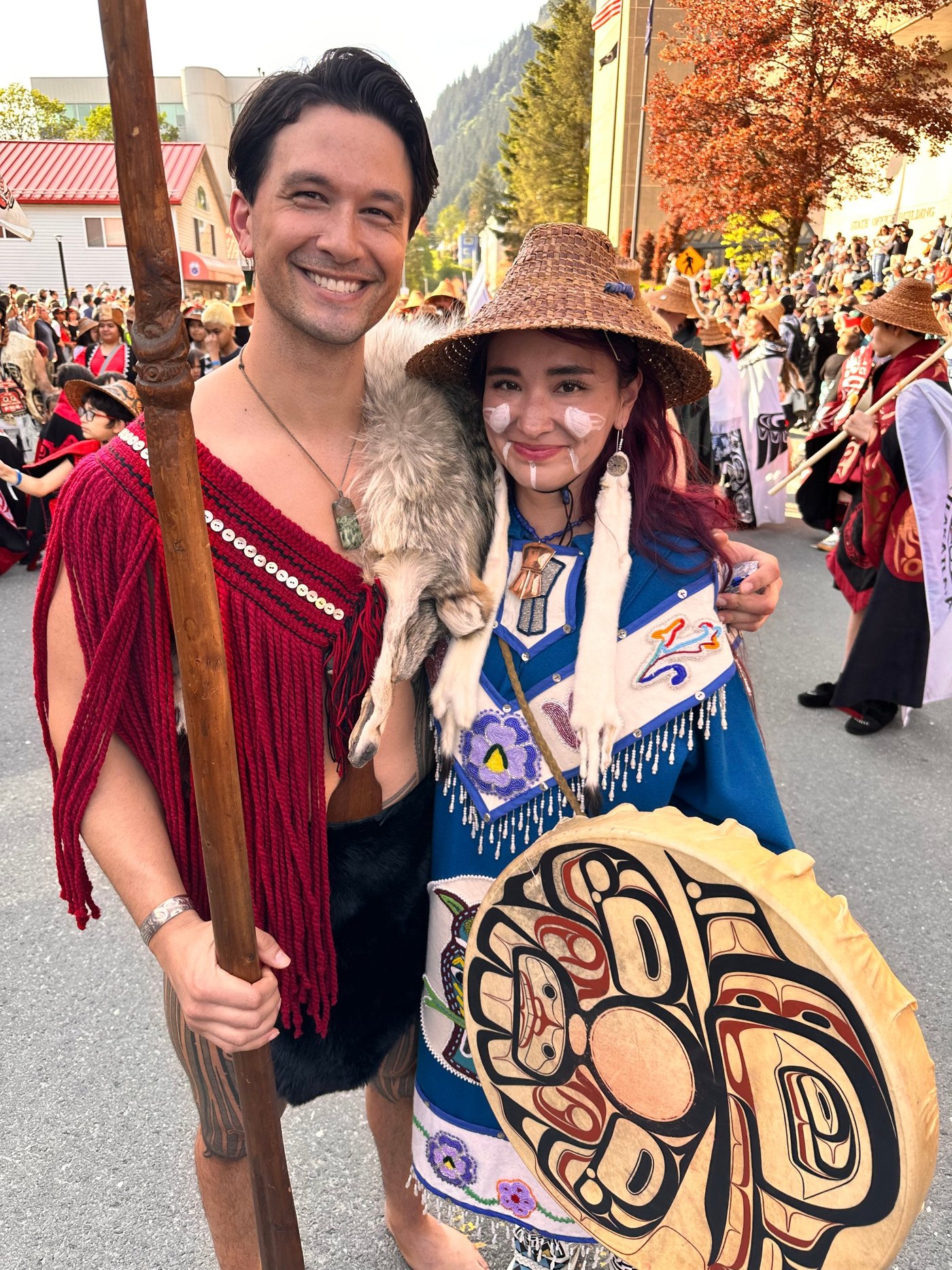
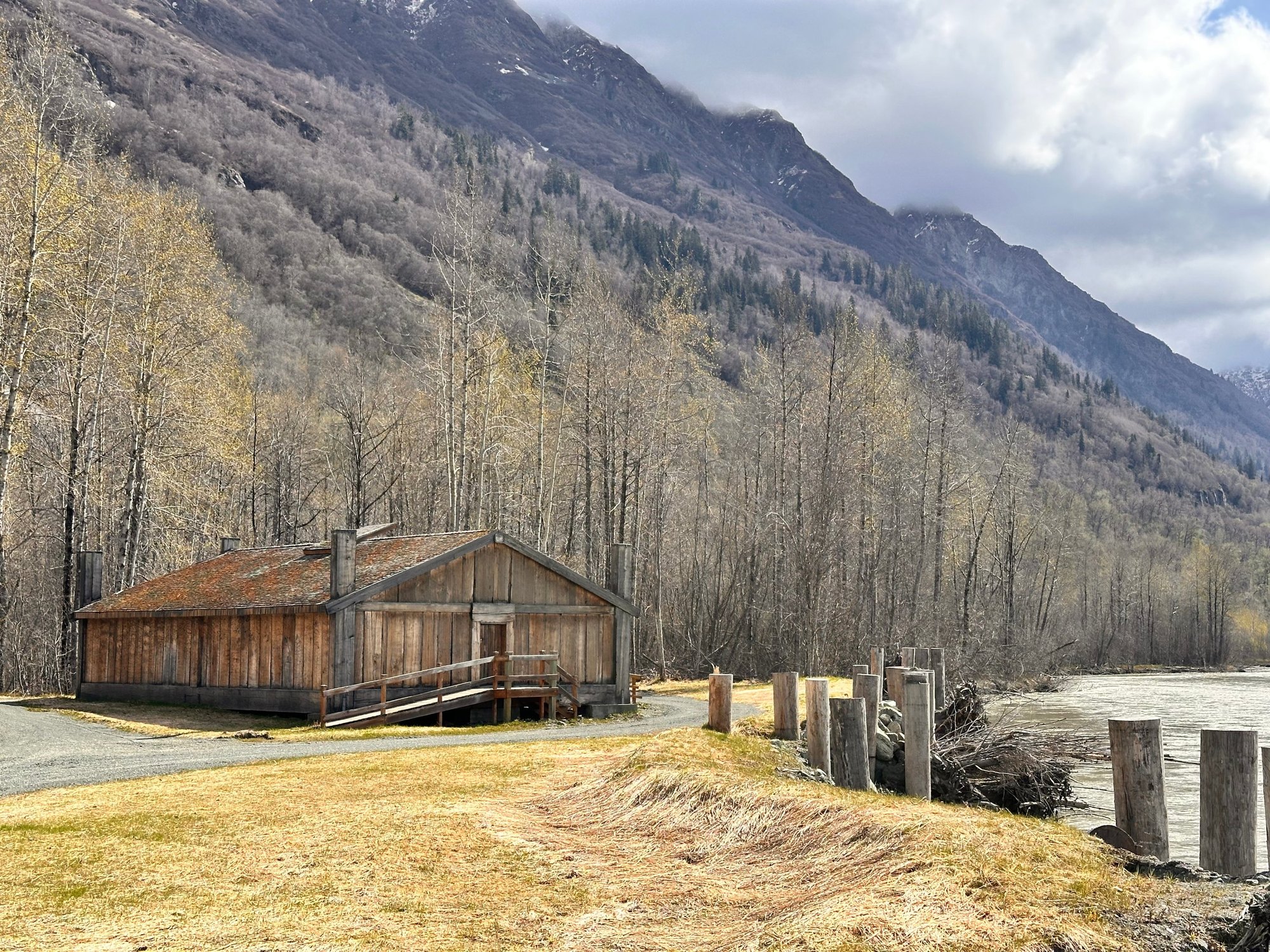
Historical and cultural knowledge and time
Successful engagement in Indigenous communities requires all three, and none of them can be produced at speed. It is why I am wary of anyone who arrives with a plan.
Communities should not be defined by stereotypes, assumptions, or outside interpretations. The most powerful stories emerge when people speak from their own lived experience. So my job is frequently to build the conditions in which that can happen, and then get out of the way.
Working with boards and executive teams
I have sat where you sit. I was the chairman who had to guide the tough discussions.
Most communications advisers have never been accountable for a decision. They have advised on decisions, which is a different job and carries none of the same risk. I have served in corporate, nonprofit and tribal governance, including as board chairman of a village corporation: governance, strategic planning, financial oversight, organizational development.
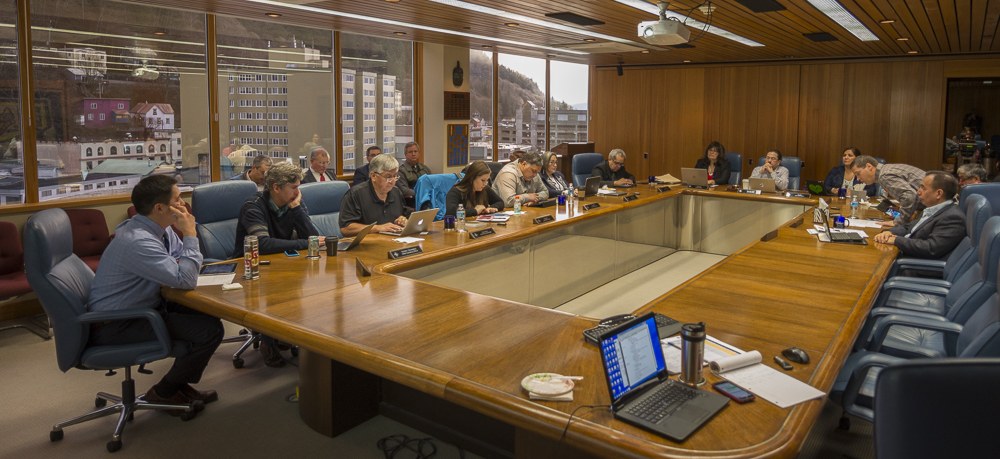
What I am usually asked about
- Board and chief executive communication, where a great deal of organizational dysfunction actually lives.
- Executive voice. Helping a chief executive sound like themselves rather than like a press release.
- Speaking to shareholders. Annual meetings, votes, dividends, hard years.
- What the board needs to hear before a crisis. Ideally about eighteen months before.
- Governance disagreements that have become public, or are about to.
- Succession and transition between generations, including the announcement and the eighteen months either side of it.
A poorly informed board can be a communications liability.
Usually a session rather than a report. Boards do not need another document. They need ninety minutes in which somebody asks the questions the executive team is too close to ask, and nobody is trying to sell anything. I am also comfortable being the person who says the thing nobody wants to say, which is frequently the actual engagement.
The most valuable work I do with boards costs the least and happens when nothing is wrong. A scenario session. An agreement about who speaks. An honest look at where the company’s words and actions have drifted apart.
He brings honor and knowledge, conveyed with respect and spirituality, to both relationships. I look to him as a leader and a skilled professional who will bring out the best that is sought by any client.
Byron Mallott, former Lieutenant Governor of Alaska and Alaska Native leader
Tell me what you’re working on.
I would love to help you out, even if you don’t retain our services. Just call, email or text.