Home › Our Services › Community Outreach
Community Outreach
We help organizations build meaningful relationships with the communities they serve. That starts with listening; understanding local concerns, identifying trusted voices, and creating clear ways for people to engage.
We have taken part in and helped lead hundreds of community meetings, coffee chats, shareholder gatherings, public forums, workshops and presentations.
Our approach goes beyond simply sharing information. We help clients build trust and move projects forward. From neighborhood meetings and community partnerships to digital outreach and local media, we help you reach people where they are and turn engagement into lasting support.
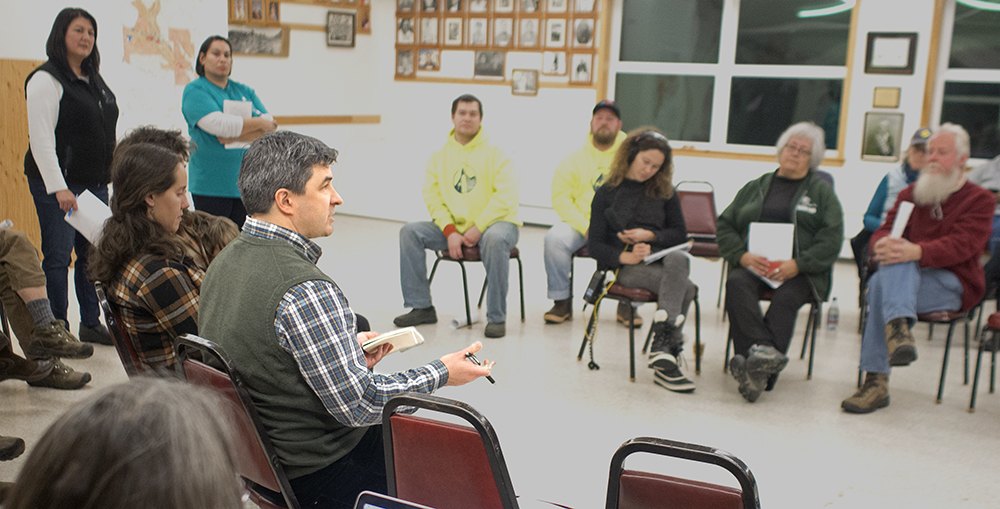
The mistake is treating the meeting as a delivery mechanism. The agenda gets built around what the institution needs to say, the slides get made, the room gets booked, and the whole thing is evaluated on whether the message landed.
How we approach a room
- Listening before messaging. The first meeting should mostly be you finding out what people already believe.
- Engagement before advocacy. Ask before you advocate.
- Understanding before persuasion. You cannot persuade someone you have not understood.
- Relationships before transactions. The meeting is one moment in a relationship, not the relationship.
Here’s the truth: Trust is built over time, so if you’re new to a community, don’t pretend that you’re not. The best time to build trust was yesterday, but you’re starting today so listen carefully, actually care about the people you’re meeting, be honest and follow through on what you hear.
Community members are heroes, not the clients
Communities hold knowledge, expertise, priorities and lived experience. Effective engagement means treating them as active participants in a decision rather than as recipients of information about one that has already been made.
That shift changes almost everything about how an institution communicates. Most organizations find it uncomfortable at first and come to rely on it.
Protocol, consent, and who owns a story
Working with Indigenous communities
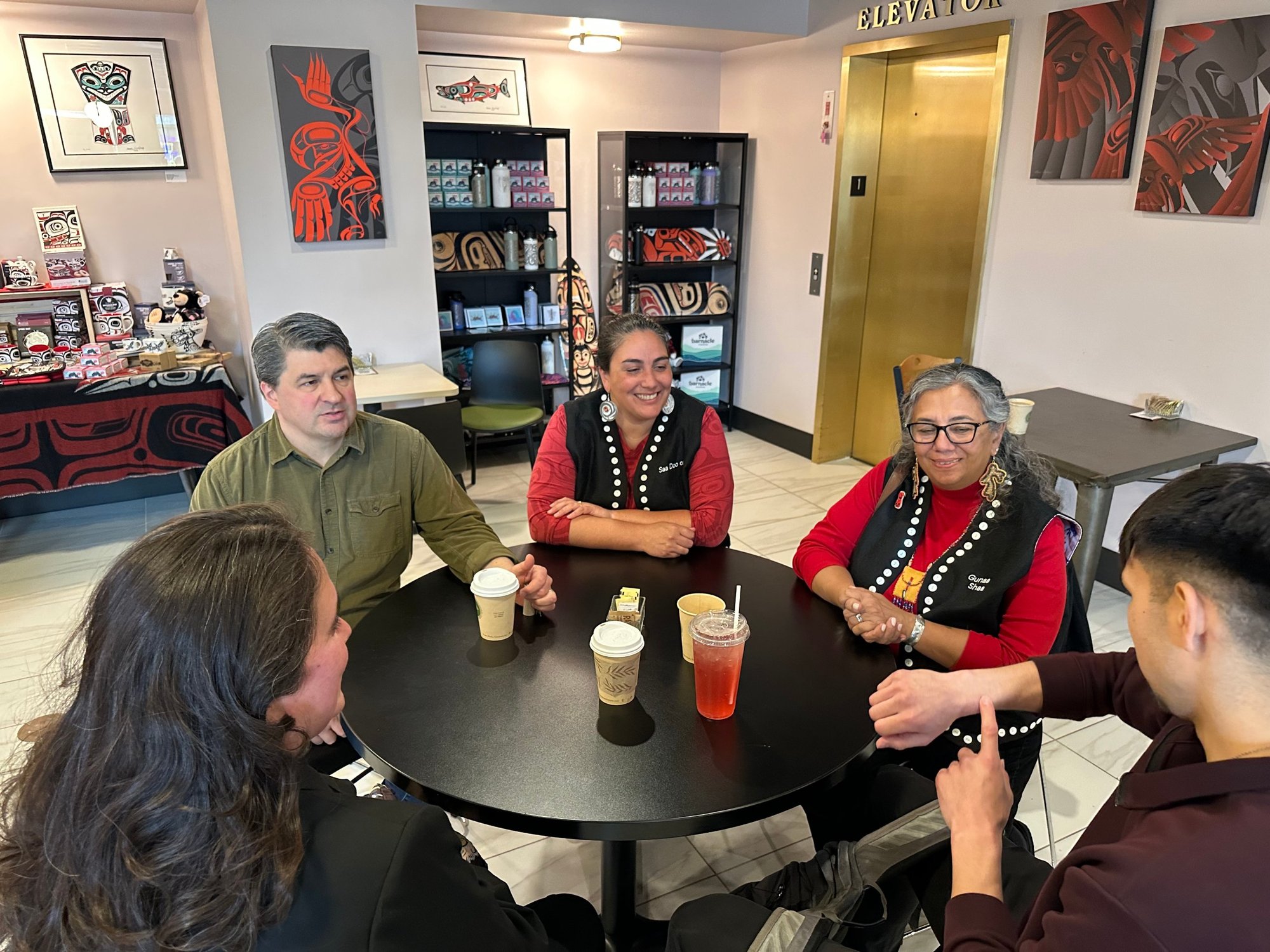
Morgan Howard is Tlingit. We also work for Indigenous entities and corporations, agencies and nonprofits that are not. That position carries an obligation in both directions.
Communities must tell their own stories
Communities should not be defined by stereotypes, assumptions, or outside interpretations. The most powerful stories emerge when people speak from lived experience. Authenticity creates credibility, and it should not be manufactured on a community’s behalf.
In practice a large part of the work is building the conditions in which people can speak for themselves and then not speaking for them.
What we require of an engagement
- Consent that is real. Not a consultation that has already been decided. If the outcome is predetermined, then it’s not really an engagement.
- Cultural humility. From us, and from the organization. Nobody arrives as an expert on somebody else’s community.
- Historical awareness. The community you are visiting has a history that started long before your project. It is not the community’s job to educate you about it.
- Time. Long-term relationship building cannot be bought. An organization that wants a community’s trust in a hurry is going to be disappointed.
- Protocol. Elders, clan, moiety, place. Getting names and relationships right is not just good etiquette, it could be the difference between a good start and having to start over.
Successful Indigenous engagement requires cultural humility, historical awareness, and long-term relationship building.
Why this work is important
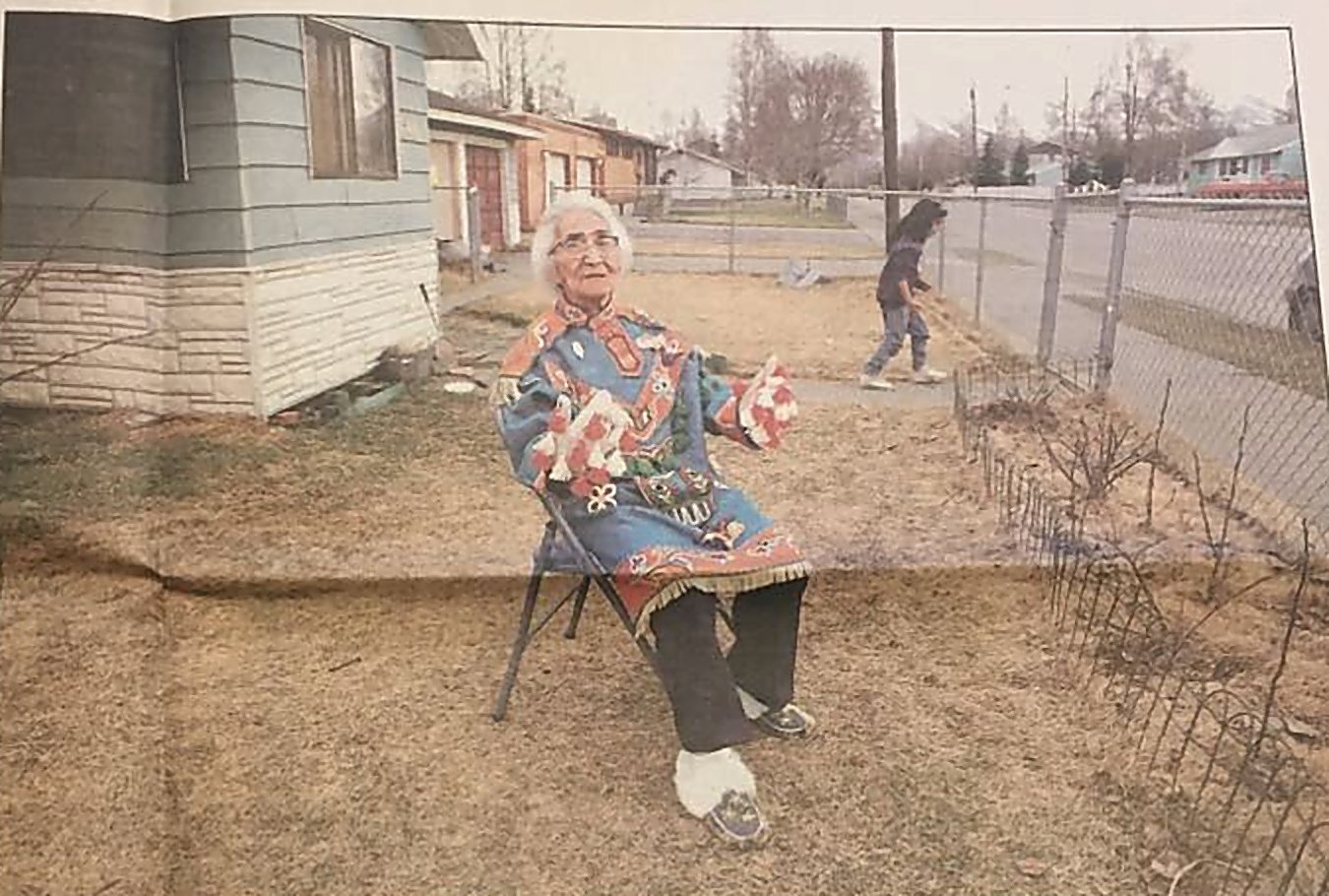
In 1991 a newspaper asked Morgan’s great-grandmother about growing up Native in Alaska, and then put her story on the cover. She talked about boarding school, about losing both parents to the influenza in 1918, about being told by her own people that her generation had dropped something and going to learn the dances.
Thirty-five years later it is still the best piece of communication anyone in the family has been part of, and nobody managed it. They just asked, and then listened.
Morgan Howard was instrumental in helping our community strategize marketing methods for our local salmon brand, Yakutat Wild. This included video, magazine advertising and web-based products which increased our exposure nationwide. We now enjoy far more demand than we can supply.
Bill Lucy, Yakutat Salmon Board
What this looks like as work
Stakeholder engagement strategy and design. Public consultation and community listening sessions. Shareholder outreach. Consensus building. Public meeting facilitation. Indigenous engagement planning. And, often, coaching the people who will actually stand at the front of the room.
Strategic Communications → · Story Studio →
Story Studio
Tell me what you’re working on.
I would love to help you out, even if you don’t retain our services. Just call, email or text.